print |
share
Contact
Contact Info
International Peace Institute
777 United Nations Plaza
New York, NY 10017-3521
USA
Fax: +1-212 983-8246
Email:
This e-mail address is being protected from spambots. You need JavaScript enabled to view it
Media Inquiries:
Marilyn MesserSpecial Assistant to the Senior Vice President
This e-mail address is being protected from spambots. You need JavaScript enabled to view it
Web Feedback:
This e-mail address is being protected from spambots. You need JavaScript enabled to view it
Directions
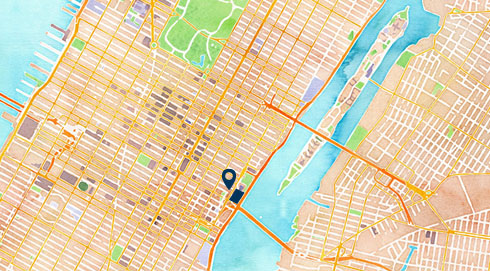
The International Peace Institute is located at the corner of 44th Street and 1st Avenue in the Church Center building. We are directly across the street from the United Nations.
Directions by Subway
LEXINGTON AVENUE LINE
Take the No. 4 or 5 express trains or the No. 6 local train to Grand Central Station. Head east on 44th Street towards the East River. IPI is located in the Church Center building on the south side of the street. It is the last building before one reaches 1st Avenue.
F LINE
Take the F train to the 42nd Street-Bryant Park stop and then transfer to the No. 7 train, going 1 stop to Grand Central Station. Then follow the directions above. If you don't wish to transfer, you may walk east along 42nd Street until reaching 2nd Ave. Turn left on 2nd Ave. and then make a right on 44th Street. IPI is located in the Church Center building on the south side of the street. It is the last building before one reaches 1st Avenue.
![]()
IPI is proud to have received the highest rating from a well-known charity watchdog, the American Institute of Philanthropy.
IPI is grateful to our generous friends and donors who provide both intellectual and financial support. Their contributions help us in a very practical way to achieve program objectives, and their leadership is an invaluable resource to our organization.
Featured Publication
July 02, 2010
Election-Related Disputes and Political Violence in Africa
Elections are the hallmark of representative democracy, allowing the people’s regular input in choices about leaders and policy. Yet they are also competitive processes, unleashing conflict and tensions that, if not constructively managed, could potentially destabilize the fabric of states and societies. ![]()