
IPI HomePublicationsPolicy PapersRethinking Humanitarianism: Adapting to 21st Century Challenges


print print  |  share share back back

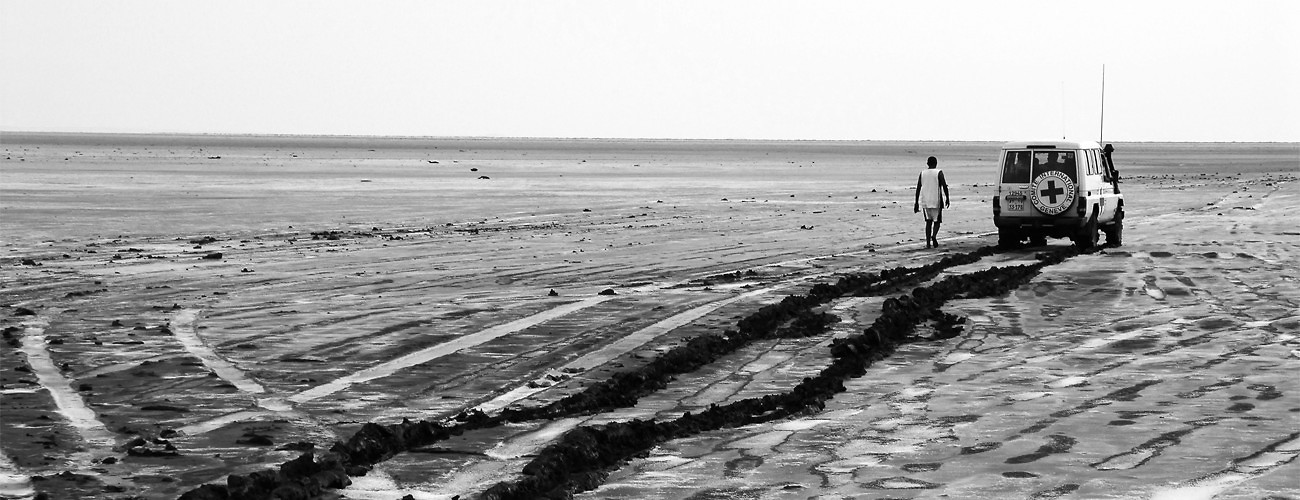
The Danakil desert. Photo by Jérémie Labbé

Policy Papers - November 16, 2012

Rethinking Humanitarianism: Adapting to 21st Century Challenges

Jérémie Labbé


The modern international humanitarian system is being tested like never before. Built on a philosophy that espouses universality and integrity of humanitarian principles, the system now faces crises and conflicts that are changing in nature, an increased humanitarian caseload, and a renewed assertiveness on the part of host states.

Humanitarian actors have proposed an ambitious agenda for adapting to this changing landscape—from anticipating future risks to strengthening local resilience and increasing coherence and coordination. But this conventional narrative of reform and adaptation fails to address significant underlying tensions, in particular the growing disconnect between the system’s expanding ambitions and its foundational principles.

This policy paper examines the boundaries of the humanitarian enterprise, investigates today’s challenges and their implications, and addresses the tensions inherent in the mainstream agenda for adaptation. It then explores key questions for the future of humanitarianism:

  • Can the modern humanitarian system become truly universal by adapting to a changing international context and opening up to actors who have different values and practices?
  • Could a sparser but more faithful use of humanitarian principles, adapted to the context, support rather than undermine these principles?
  • Despite the quest for ever-greater coherence and coordination of the humanitarian system, could the fragmentation of the system be valued as a strength given the comparative advantages of its various components?

To deal with twenty-first century challenges and meet its broader objectives, the humanitarian system may now need to redefine the rules and theoretical foundations on which it was built.

The Global Observatory

Unclear Strategy in Mali Leads Western Powers Toward Same Mistakes
Conventional military operations cannot defeat terrorism and guerrilla warfare and may, on the contrary, exacerbate the threat.

Key Global Events to Watch in May
A list of key upcoming meetings and events with implications for global affairs.

Top 10 Issues to Watch in 2013: The Multilateral Arena
Ten key issues that are likely to impact global affairs in international peace, security, and development.

The Global Observatory, produced by IPI, provides timely analysis on peace and security issues, interviews with leading policymakers, interactive maps, and more.

Recent Events

May 14, 2013
2013 Vienna Seminar: The Dangerous Nexus of Crime, Conflict, and Terrorism
On May 14-15, the IPI Vienna Seminar took place, focusing on the dangerous nexus between crime, conflict and terrorism, particularly in failing states. This 43rd session of the Vienna Seminar–which was held in the historic Marble Hall of the Austrian Ministry for European and International Affairs–was attended by over one hundred participants from around the world,

May 10, 2013
SRSG Ramos-Horta Optimistic for Stability in Guinea-Bissau
In his briefing to the Security Council the day before appearing at IPI on May 10th, José Ramos-Horta, Special Representative to the Secretary-General on Guinea-Bissau, told the Council that the beleaguered country “exists in name only.”

May 08, 2013
Holmes on the Reality of Relief Aid
“People fail to understand that what we’re saying is something intensely practical and down-to-earth and not something rather theoretical and ivory tower,” said John Holmes, author of the book, The Politics of Humanity: the Reality of Relief Aid, at an IPI Beyond the Headlines event on May 8th.

View More